22 Things You Didn’t Know You Could Compost

compostmontage

Composting is a way of utilizing microorganisms to break down and decompose organic matter.  The unique benefits of composting include a reduction of waste needlessly going into landfills and the production of a free stable, organic soil amendment that can’t be beat.  Many people compost their yard waste and kitchen scraps, but there are many other materials that are generally thrown away that could easily be converted into compost and given back to the soil instead and far stranger ways  to compost than most people realize.

Hair and Nail Clippings
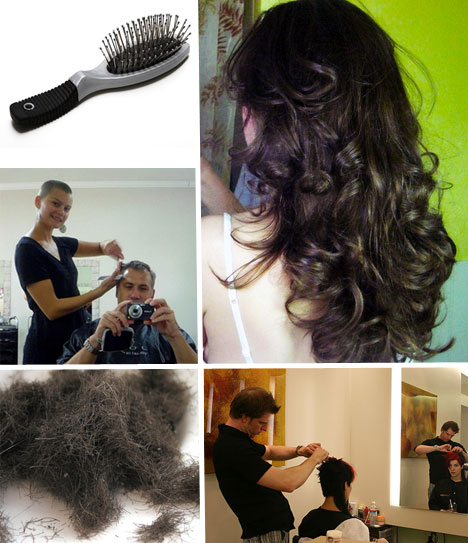
hair

nails

(images via: klauspost, madaise, dvdmerwe, recyclethis, aprillynn77, joeshlabotnik, nightrose, massimobarbieri, skychen)

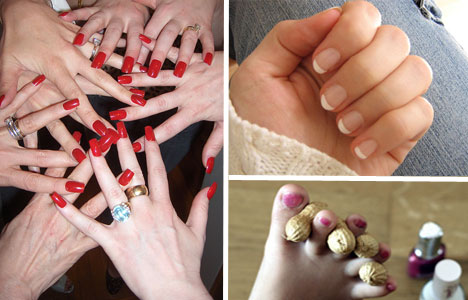
Human hair is a rich source of nitrogen and can be added to a compost pile or bin.  Likewise, fingernail and toenail clippings can also be composted if they are free from all nail polish.  If you happen to use peanuts to keep your toes apart during a pedicure, you compost those as well.  Some people claim that in addition to being great for the compost, human hair in the garden helps repel deer that can quickly demolish treasured plants.

Beer, Wine and Brewery Waste
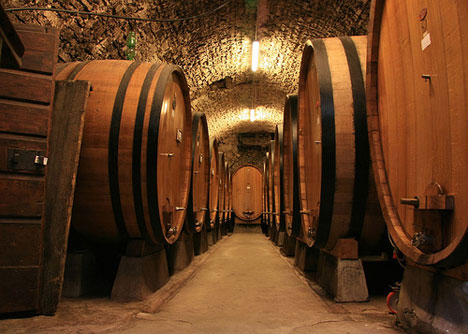
wine

wine2

(images via: t-loe, sondyaustin, roblisameehan)

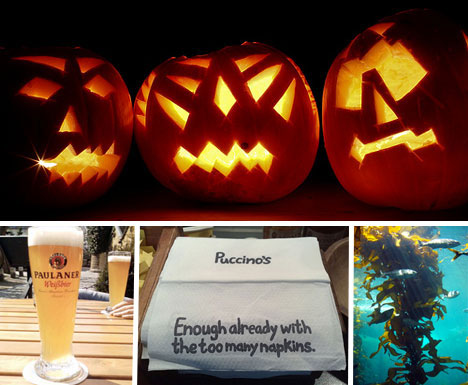
As unlikely as it is that you would have any beer or wine going to waste, if you did, it could be added to the compost.  Wine can also act as a compost “starter,” and spur the bacteria in the compost to get to work.  If you brew your own beer or make wine, the waste products from these processes can also be beneficial to the composting process.

Vaccum Cleaner “Dirt”
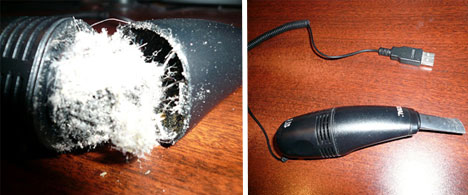
vac

(images via: dnamichaud)

When you sweep or vacuum your floor, sofa or keyboard, most of the “dirt” you pick up is usually comprised of crumbs, dust, hair and similar debris.  Instead of emptying the dustpan or canister into a wastebasket, it can be put into your compost bin, barrel or pile.  Any synthetic fibers that may be picked up will not decompose during the composting process, but they won’t hurt the compost either and can be sifted out later if you wish.

Cotton Balls and Cotton Swabs
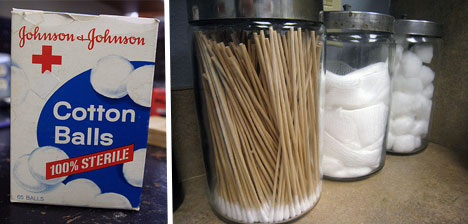
cotton

(images via: afiler, sundazed)

Used cotton balls and cotton swabs can also be composted.  To be sure that your cotton balls and swabs are suitable for composting, check the packaging to make sure they actually are made of cotton, rather than synthetic fibers.  Cotton is a natural substance and makes a wonderful addition to compost, but if you use synthetic “cotton balls” for makeup application or in caring for an infant, they will not decompose in the compost bin.

Used Paper Towels, Tissues, Paper Napkins and Toilet Paper Rolls
napkin

napkin2

(images via: nickgray, cr01, chanbliss, tudor, osde-info)

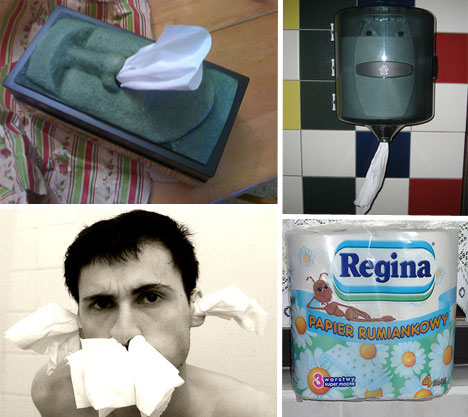
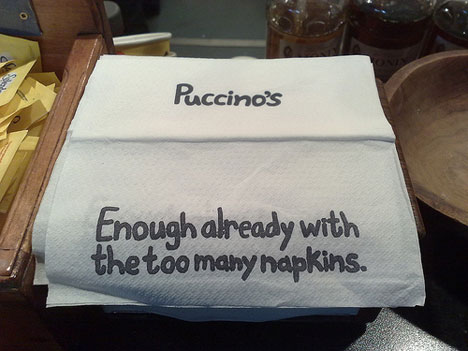
Paper products that you use every day and generally toss in the garbage could be composting in your backyard, rather than sitting in a landfill.  These items, including the cardboard cores and packaging can ad bulk to your compost.   If you have allergies and use a lot of tissues, they can all go in the compost.  If you have a cold or other type of viral infection, it may be best to consult a medical professional before composting them.  Composting used tissues is a controversial issue.  While most cold and flu viruses do not survive for long outside the human body, the jury is still out on composting tissues used during an illness.

Dry Pet Food and Pet Hair
pets

dogfood

(images via: punkrockkitten, sparkyd, rsgranne)

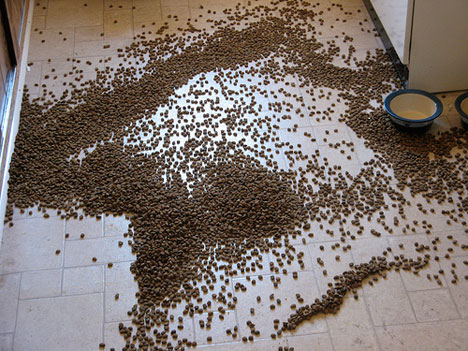
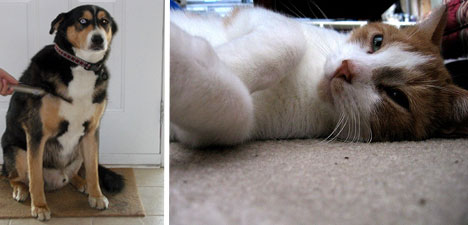
If you have pets, you probably have a readily and continuously available supply of compostable materials at your disposal.  Any dry pet food that might go to waste makes an excellent addition to compost and can kick start the process into high gear.  You have surely noticed that your pet sheds a lot too, and all that pet hair can go into the compost as well.  Alternatively, in the early spring, you may want to leave clumps of pet hair and dryer lint in bushes near your home to provide native birds with nesting materials.

Dead Flowers
deadflowers

(images via: calevans, rustyboxcars)

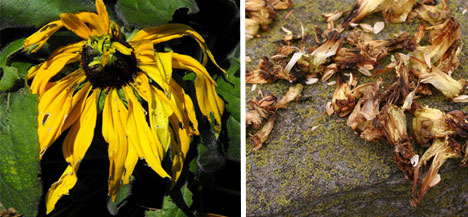
When a flower bouquet has seen better days, it can still be put to good use.  While no longer fit to provide fragrance or home decor, these dead flowers can complete the circle of life by becoming compost to feed the soil, which will in turn feed the next generation of blooms.  Nothing lasts forever, but dead and dying cut flowers can live on by going through the composting process.

Seaweed and Kelp
seaweed

seaweed2

(images via: dbaron, thomasroche, cat-and-dragon)

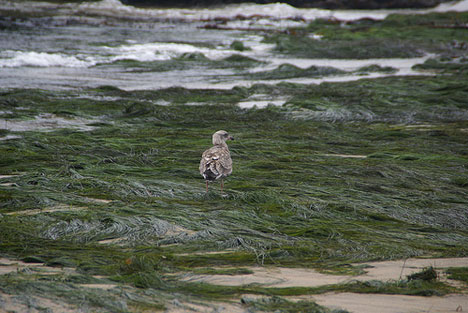
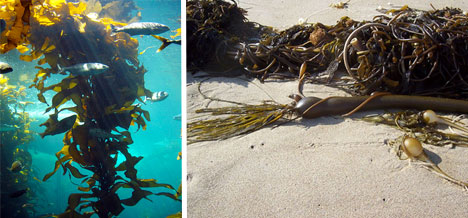
If you live near a body of water, you can collect seaweed and kelp to add to your compost.  Avid gardeners often use seaweed and kelp to nourish their plants, and by adding them to your compost you are increasing the nutritional value of your end product.  Compost enthusiasts have been known to drive great distances to harvest these materials, all in the name of better compost.

Unpaid Bills and Shredded Paper
paper

(images via: uzvards, oddharmonic)

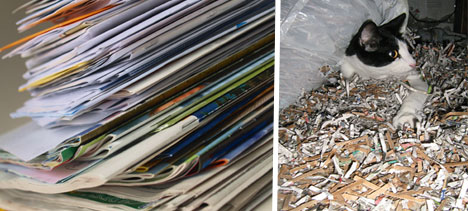
Junk mail, bills you don’t intend to pay, magazines and other waste paper can be shredded and added to your compost.  Paper is an especially good ingredient during the spring and summer months when carbon-rich dried leaves may not be readily available.  If you have a cat, he or she may be willing to do your paper shredding for you, otherwise you can shred it by hand or use a commercial paper shredder to speed up the decomposition.

Halloween Pumpkins and Bales of Straw
pumpkins

straw

pumpkins2

(images via: bdesham, simonashley, N08)

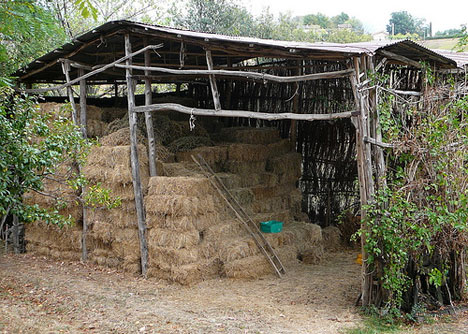
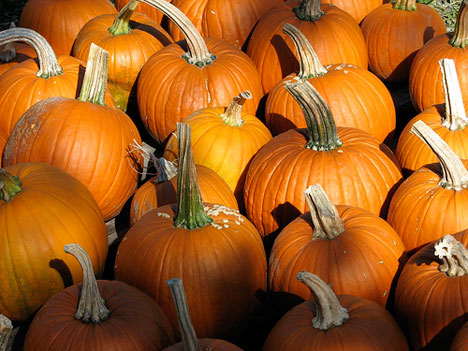
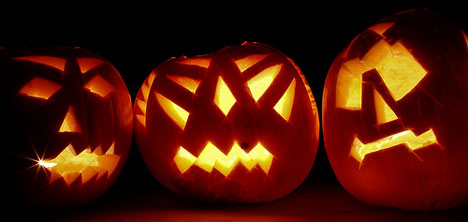
After Halloween, there is usually an abundance of jack-o-lanterns on the curb for trash pick-up.  Pumpkins decompose fairly quickly and are an excellent source of nitrogen for compost.  Fall decorations also often include bales of straw, which can also be used as a carbon-rich ingredient in the compost pile.

Roadkill
roadkill

(images via: anticiv, ndanger)

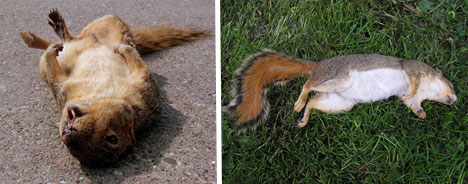
It is always sad when an animal is struck and killed by a vehicle.  Even sadder is when they are allowed to remain in the road where they are repeatedly run over, or cause an accident as drivers attempt to avoid hitting them again.  It may take a hardcore composter to stop and pick up roadkill, but if a compost pile is at least 3′x3′x3′ in size, small animals can be given an above ground burial and become part of the composting process.  In agriculture, when a larger animal dies, there are often large-scale university or state composting programs available to dispose of the corpses.

Green burials for humans are also becoming more of a mainstream option.  While human bodies are not composted in the traditional sense, green burials do not rely on concrete vaults or embalming chemicals.  The bodies are simply placed in a biodegradable casket and buried in an area that remains as natural as possible.

Related WebEcoist Articles & Galleries:

Meet the Wallflowers: 30 Green Roof and Wall Designs

Backyard gardens are great when you have the space, but rooftop and wall gardens are perfect when you don't. They can even help businesses lower utility costs!

3D Farming: 26 Vertical Farms and Green Skyscrapers

The planet's population is growing like crazy, and we have limited space. Where will we grow our food when residential areas take over? In the sky, of course.

How Green Were My Links: Fascinating Farming Stories

Farming and gardening are a big part of everyone's life. These 5 recent Treehugger articles keep you up to date on fascinating farming/gardening developments.

Click for More Creative Content on Partner Sites:

  • Melissa (oddharmonic)
    April 16th, 2009 at 5:20 pm

    Thanks for using one of my photos! The shredded paper my cat is playing in was put through a commercial paper shredder before he played in it; we bag shredded paper and cardboard to use as needed in our worm composter. It provides an inexpensive, readily available filler to cover the top of wet additions to our compost. (With our composter indoors, too much moisture attracts fruit flies.)

  • David Radovanovic
    April 17th, 2009 at 4:26 am

    I’ve always wondered about hair. The vacuum dirt may be questionable depending on what was being cleaned up. Thanks for another great article!

  • Deborah M.
    April 17th, 2009 at 9:26 pm

    Hmm. A few things I hadn’t thought of — cool! But I’d have some misgivings about shredded paper (because of the inks) or roadkill in my compost pile, given that the finished compost will go on my organic veggie garden, and I live in bear country. I guess mileage may vary. Thoughts?

  • Gerri L Elder
    April 18th, 2009 at 9:00 am

    Melissa – thanks for making your fantastic photos available. :) I also have a worm bin and use shredded cardboard and newspaper as bedding for them. Your cat playing in the paper was too cute to pass up.

    David – I agree, it depends on what the vac pics up. I compost it all anyway and sift the finished product to remove anything that doesn’t belong.

    Deborah – Many inks are now soy-based, so it shouldn’t be a problem. I’ve composted two squirrels without any issues. I allow my compost to cycle through several hot cycles, reaching temps. of 160 degrees, then a curing phase, to be certain anything gnarly is killed. I don’t have bears though, I’m not sure if they would dig in if you disposed of small animals in your pile. One of the squirrels was put in my tumbler, and disappeared, bones and all, in under a week. The other drowned in my pool and was buried deeply in a 12×5x3 compost windrow. I haven’t seen him since.

    Thank you all for your comments.

  • Mary
    April 19th, 2009 at 10:55 pm

    In the late winter and through spring, I toss my hair and cotton dryer lint into the bushes. Birds take them for nesting material. (We use almost no soap, and that very ecologically “clean,” and no other laundry products, and I use no hair products aside from shampoo.) When I was little, I used to find Grandma’s silver hair in the birds; nests outside her house, and I want to pass that on.

  • Gerri L Elder
    April 22nd, 2009 at 9:29 am

    Mary – How wonderful that you are carrying on that tradition. :)

  • Clay W.
    April 22nd, 2009 at 1:41 pm

    I blogged some time ago about paper shredders and composting, along with some other cool ways to recycle your paper remains.

  • Teresa
    April 23rd, 2009 at 3:25 pm

    I’ve read that you can compost almost any “food” items except meats or dairy, is this true? I actually already do compost eggshells though.

  • Thomas Jefferson
    April 23rd, 2009 at 3:29 pm

    okay first of all, just because the article says you can compost something, doesn’t mean you should.

    paper towels are bleached. also, they take forever to break down. I know from personal experience

    and if you want to compost road kill, knock yourself out, because you will be inviting raccoons and opossum. Also, because it’s dead matter, be prepared for a cloud of flies. Just bury the thing.

    Egg shells need to be crushed before composting.

    hair and nail clippings also take forever. Point of example: they are one of the very last things to decay when the body dies. bodies thousands of years old have been found to still have hair and nails. so if you willing to wait that long,
    have fun. Just let your hair grown long and donate it to the cancer society.

    many pet food kibble contain fat. This will again attract animals. So if you are okay with rocky raccoon digging and pooping in your compose, go for it.

    and finally this quote from the article, “Any synthetic fibers that may be picked up will not decompose during the composting process, but they won’t hurt the compost either and can be sifted out later if you wish.” why sift it out later? just don’t put it in and make double the work. or even better, don’t have carpets. They are nothing but mildew and dirt attractors.

  • Laurene
    April 23rd, 2009 at 9:19 pm

    I thought you were supposed to keep all meat & dairy out of your compost. Wouldn’t road kill qualify as meat?

  • Katherine
    April 24th, 2009 at 4:30 am

    Pet food, roadkill, and unwashed eggshells will attract RATS. I’ve been composting for 30 years, in various parts of the world, and really, you don’t want rats in the heap. Stay away from roadkill for other health reasons: fleas vector some unpleasant diseases and you can pick up viral contamination easily via inhalation.

    Pet food and eggshells – and non-dairy cooked foods, including bits of meat and fish – can be precomposted beautifully with a Bokashi bucket (use a search engine to locate a supplier in your area). A wormery is a useful addition to life; and then there are chickens if you’re genuinely keen.

    But DO NOT compost rat attractors such as roadkill or pet food.

  • Wade
    April 25th, 2009 at 6:19 am

    I used to compost hair but then I realized it must be awash with hair product chemicals.

    And as for the junk mail, dont use the enevelopes, they mostly have the little plastic see thru window.

  • Rivahcat
    April 25th, 2009 at 7:19 am

    Melissa: Your kitty looks just like my Domino! So sweet!!

  • Texas Aggie
    April 25th, 2009 at 9:48 am

    Every summer I get a bunch of doves that try to fly through screen windows. They go into the compost with no problem.

    Actually composting is how many dairies and chicken farms get rid of the dead carcasses. A cow decomposes in about 6 – 9 months, chickens a lot sooner.

  • David Booth
    April 29th, 2009 at 11:39 am

    And For Advanced Composters: If it comes from the earth it returns to the earth. So in goes meat, bones, and dairy. Bones are a great source of phosphorus. If you get rats then trap them and add them back to the compost. Unpainted sheetrock scraps add calcium in the form of gypsum. Hair certainly does compost, and will continue to break down in the soil even if it is not completely composted. Pond muck and vegetation is a great addition. If it is taking you forever to compost paper then your pile is either too dry, too wet, or it needs more nitrogen to heat it up. A little urine will do the trick. No need for any fancy activators. Don’t forget the liquids from cooking and scrubbing pans, including the fat. Diversity is the name of the game if you want the best compost. Most of the composting “rules” are made by yuppy garden writers more concerned with skunks and lawsuits than the best possible compost. Thats OK, but it won’t give you the richest compost, and ultimately the tastiest and most nutritious veggies.

  • Vanessa
    May 5th, 2009 at 10:58 pm

    We have straw in the yard that the dogs potty on. We keep it clean of all dog waste by scooping several times a day (got to when you have 4 Dobermans) but when we change the straw and put down clean can the old straw go in the composter?

  • Ladybug
    June 11th, 2009 at 9:22 am

    Wow this is really fascinating! I have just started composting and have been saving kitchen scraps (lots of coffee grounds!) and dead leaves but didn’t realize there was so much in my home to compost. Considering I have four dogs and tons of pet hair, now I can put it to good use.

  • Kasey
    June 14th, 2009 at 2:36 pm

    Ok, I know you can compost cotton….and have heard that you can compost cotton tampons with the cardboard applicators. So does this mean you can compost used tampons? Or would that attract critters?

Trackbacks

  1. 5 Things You Never Knew You Could Compost « GreenLife
  2. make your own compost
  3. Things You Can Compost But Probably Don’t
  4. mental_floss Blog » Morning Cup of Links: Meet Your New Saints!
  5. How to use compost bins and what to put in compost | Prudent and Practical
  6. trees can talk to the city? « Pick of the Pack
Great Galleries on Sibling Sites
Socialize with Other Ecoists


Partners & Causes We Support

Click for More Green Content

Small Double
Check out only the finest small double beds from different manufacturers on bedtrader.co.uk at lowest prices.