
Just like plants, animals have evolved stunning characteristics and brilliant mechanisms for defending themselves passively. Whether it’s the ability to change color or actually resemble other objects, the wondrous ways in which animals camouflage themselves from predators is fascinating. If you enjoyed learning about the bizarre self-defense mechanisms of animals, read on to see some of the striking camouflage that animals use (though humans sometimes use camouflage too).
Dead Leaf Butterfly
(Image via conservationreport)
The leaf butterflies look brilliant when their wings lay flat – they come in all manner of colors and shapes. But when their wings fold up they look like leaves – sometimes green, sometimes brown, as if fallen and dead. The likeness to a dead leaf is nothing short of remarkable. They live in forested, lush areas like New Guinea, southern Asia, Madagascar and India.
Mimic Octopus
The Indonesian Mimic Octopus has a unique ability to turn virtually any color or pattern. It is naturally brown and spotted but has been seen in every hue from ghost white, as shown above, to brilliant blue and fiery red or mysterious pink. Though many octopi are known to change color and skin texture, only the Mimic Octopus can take on the shape and features of other animals and surroundings.
Cuttlefish
(Image via pbase)
The unusual cuttlefish can change colors and textures to defend itself passively. Watch this in action in this amazing video.
Malaysian Orchid Mantis
(Image via Daily Mail)
The luxurious and seemingly fragile orchid is one of nature’s most revered blooms. In reality, it’s a rather hardy bromeliad, and there are thousands of different varieties. This Malaysian Orchid Mantis has cleverly adapted to resemble the striking white orchids of the region.
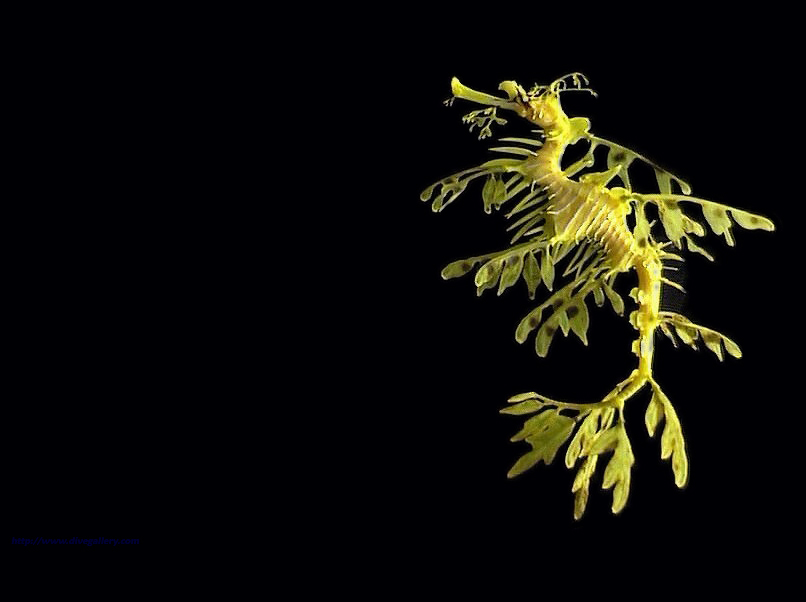
Leafy Sea Dragon
(Image via seahorse)
Sea creatures are particularly fond of blending in. From nudibranchs to the octopus, from cuttlefish to many other brilliant fish, marine life has learned to hide. Future posts in this series will take you on an underwater journey to see these incredible animals, and here is another peek. The leafy sea dragon looks like a bunch of undulating undersea fronds or a stray kelp thicket.
Lion
(Image via Discovery)
From insects to reptiles, amphibians to mammals, many animals are camouflaged – giraffes, zebras, lions, tigers, coyotes and the majority of female birds typically display coloring that suits their environs and helps them hide. The lioness here was briefly captured on film before disappearing into the savannah.
Fox
(Images via desktopwallpapers and National Geographic)
Animals may adapt coloring to suit their environments; or they may be able to change color at a moment’s notice. For many furred animals such as wild foxes, leopards and wolves, seasonal color changes help them protect themselves.