
(Part of an Exclusive WebEcoist Series on Amazing Trees, Plants, Forests and Flowers)
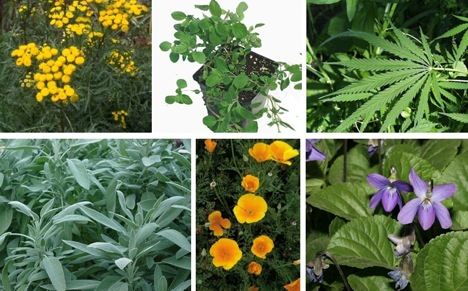
From marijuana to catnip, there are hundreds of remarkably common herbs, flowers, berries and plants that serve all kinds of important medicinal and health purposes that might surprise you: anti-inflammatory, anti-fungal, insect repellent, antiseptic, expectorant, antibacterial, detoxification, fever reduction, antihistamine and pain relief. Here are eighteen potent medical plants you’re likely to find in the wild – or even someone’s backyard – that can help with minor injuries, scrapes, bites and pains.*
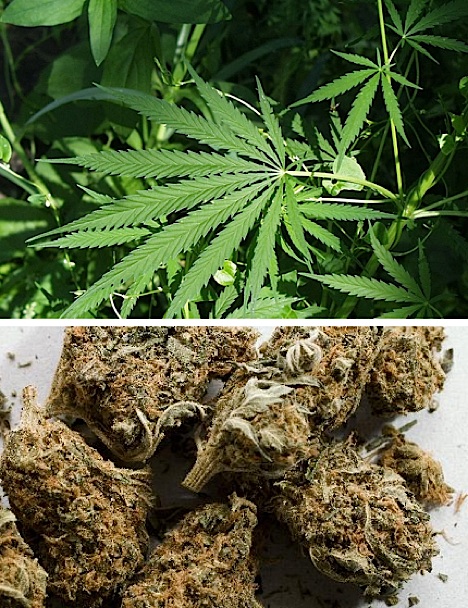
Marijuana
Images via Current and Street Knowledge
Seriously. Though marijuana is still illegal in the United States, it is legal in 12 states for medicinal purposes, and if a case of poison ivy in the woods isn’t a medicinal purpose, what is? Marijuana was *mostly* legal until 1970 when it became classified as a hard drug. No one thought of it as a dangerous or illicit drug until the 20th century; in fact, hemp was George Washington’s primary crop and Thomas Jefferson’s secondary crop. The Declaration of Independence is written on it; the Gutenberg Bible was printed on hemp, too. There’s actually an environmental dimension to legalizing marijuana – hemp is a remarkable and renewable plant, offering all kinds of foodstuff and product uses that surpass cotton and plastic. But health benefits are well documented, from depression and anxiety relief to reduced blood pressure, pain alleviation and glaucoma treatment. It is not addictive, does not kill brain cells and is not a “gateway” drug – in fact, when pot is more available, studies show that the use of hard drugs like heroin and cocaine actually decreases. The bottom line for hikers: when your leg is broken from a misjudged boulder hopping attempt (pain) and a bear has eaten your friend (depression) and you’re lost because you forgot the compass (dumbass), consult the cannabis.
Lady Ferns
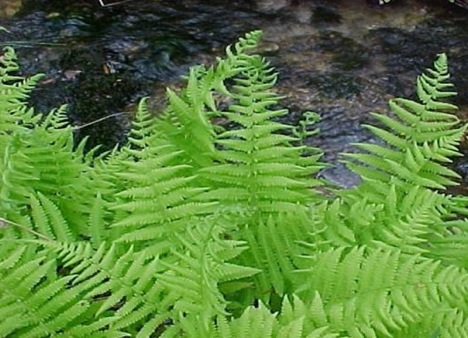
Image via US Forest Service
If you grew up in the Pacific Northwest you likely know what ferns are good for: treating stinging nettles. One of the world’s oldest plants, there are many varieties of ferns, but if you’re lucky enough to spy the soft, delicate lady fern, grab some and roll it up between your palms into a rough mash. The juices released will quickly ease stinging nettle burns and can also ease minor cuts, stings and burns (fresh salt water also works in a pinch for bee stings). Bracken fern are similar to lady fern and will work, as well. The rougher, glossier, stiff sword fern and deer fern won’t be as effective, though. (Learn about types of ferns.) Lady ferns actually grow all over North America but are common in areas with high rainfall.
California Poppy

Images via Netstate and Mountain Meadow Seeds
The brilliant blooms of the poppy make this opioid plant an iconic one. The plant is an effective nervine (anxiety reliever) and is safe for use on agitated children. Can be made into a a tea for quick relief of nervousness and tension. A stronger decoction will offer pain relief. (A decoction is made by “stewing” all safe plant parts, including stems and roots if possible, in water for several hours and, ideally, soaking overnight.)
Blood Flower
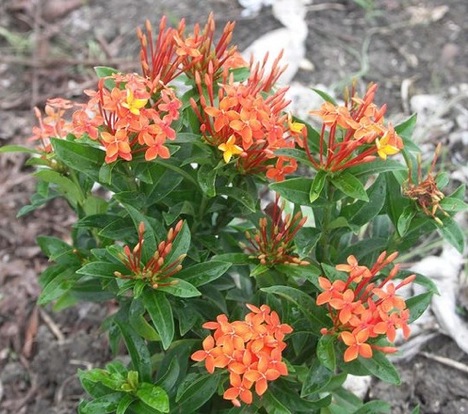
The blood flower (also Mexican butterfly weed) is a type of tropical milkweed with toxic milky sap that is emetic (it makes you hurl). It’s also historically favored as a heart stimulant and worm expellent. Pretty useful for a number of potential hiking disasters, if you think about it. (Of course, if you’d quit eating those poisonous berries you probably wouldn’t need to worry about finding a natural expectorant.)
Tansy
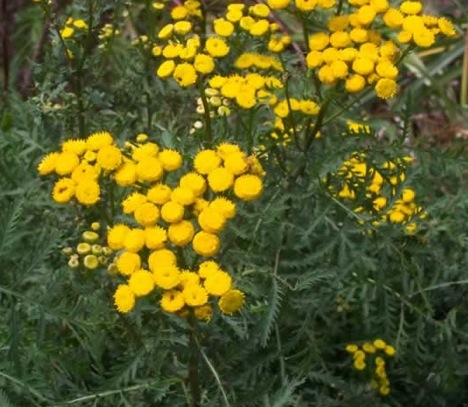
Image via Earth Heart Farm
If you’ve decided to backpack through Europe instead of the mountains of Mexico (but why?), you’ll want to know about a few helpful medicinal plants. Tansy is an old-world aster and remedy, used for flavoring beer and stews as well as repelling insects. Rubbing the leaves on the skin provides an effective bug repellent, but tansy can also be used to treat worms. It is said to be poisonous when extracted, but a few leaves are not harmful if ingested.
Korean Mint (hyssop)
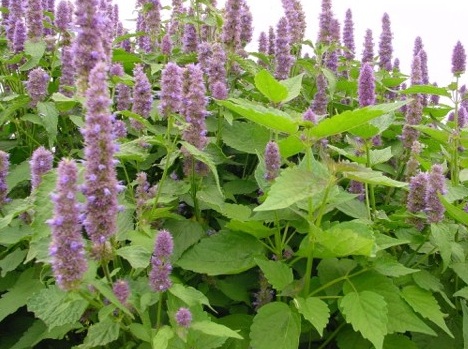
Who doesn’t want to be minty fresh? Most of the various types of “mint” or mentha – spearmint, Korean mint, applemint, regular old mint – offer reported health benefits and medicinal properties. (Avoid pennyroyal, as it’s poisonous.) Mint is famous for soothing headaches, fighting nausea, calming the stomach and reducing nervousness and fatigue. Korean mint, also called Indian mint and hyssop, is a fairly effective antiviral, making it useful for fighting colds and the flu. Whatever continent you’re on, some type of mint is usually to be found. Eat whole, garnish food or make tea to get the all purpose health benefits.
Alfalfa
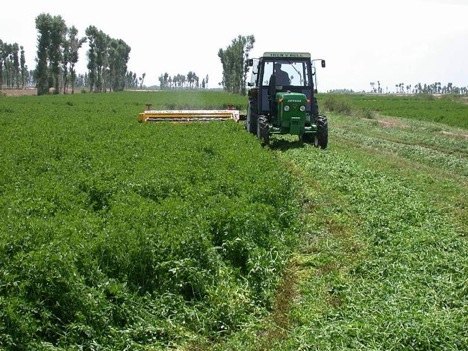
Image via In Advance
Alfalfa is fodder for livestock for a reason: it’s incredibly rich in minerals and health-promoting nutrients and compounds. With roots that grow 20 to 30 feet deep, alfalfa is considered the “father of all plants”. (It also contains a high amount of protein for a green.) Alfalfa originally grew in the Mediterranean and Middle East but has now spread to most of Europe and the Americans. It can treat morning sickness, nausea, kidney stones, kidney pain and urinary discomfort. It is a powerful diuretic and has a bit of stimulant power, helping to energize after a bout with illness. It’s a liver and bowel cleanser and long-term can help reduce cholesterol. You can purchase seeds and sprouts, but it’s fine to eat the leaves straight from the earth.
Catnip
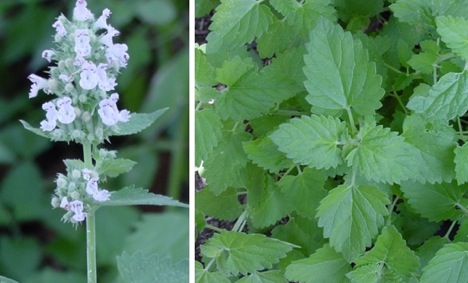
Images via UCC
The cannabis of the cat kingdom. Famous for making cats deliriously crazy, catnip has health properties that are great for humans, too. Catnip can relieve cold symptoms (helpful if you’re on a camping trip and don’t have access to Nyquil). It’s useful in breaking a fever as it promotes sweating. Catnip also helps stop excessive bleeding and swelling when applied rather than ingested. This mint plant (yep, another one) is also reportedly helpful in treating gas, stomach aches, and migraines. Catnip can stimulate uterine contractions, so it should not be consumed by pregnant women. It grows in the Northern Hemisphere.
Sage
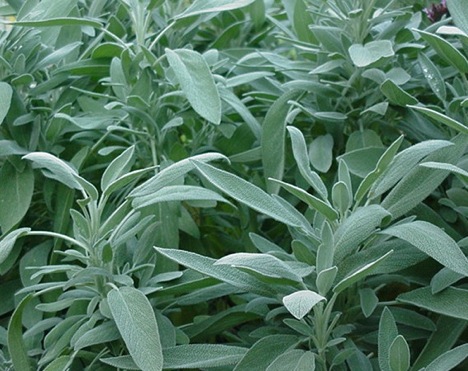
Image via Palestine Shop
Sage is an incredibly useful herb, widely considered to be perhaps the most valuable herb. It is anti-flammatory, anti-oxidant, and antifungal. In fact, according to the noted resource World’s Healthiest Foods, “Its reputation as a panacea is even represented in its scientific name, Salvia officinalis, derived from the Latin word, salvere, which means ‘to be saved’.” It was used as a preservative for meat before the advent of refrigeration (eminently useful: you never know when you’ll be forced to hunt in the wild). Sage aids digestion, relieves cramps, reduces diarrhea, dries up phlegm, fights colds, reduces inflammation and swelling, acts as a salve for cuts and burns, and kills bacteria. Sage apparently even brings color back to gray hair. A definite concern when lost in the woods.
Blackberries
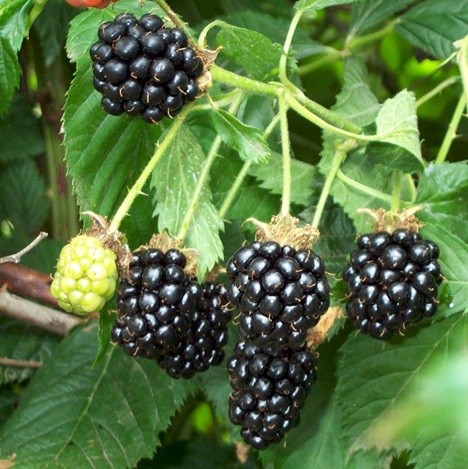
Image via Old Ice Works
Did you know blackberries have useful healing properties? Of course they’re loaded in antioxidants and vitamins, but the leaves and roots have value, too. Native Americans have long used the stems and leaves for healing, while enjoying the young shoots peeled as a vegetable of sorts and the berries, either raw or in jams. The leaves and root can be used as an effective treatment against dysentery and diarrhea as well as serving usefulness as an anti-inflammatory and astringent. Ideal for treating cuts and inflammation in the mouth.
Wild Quinine
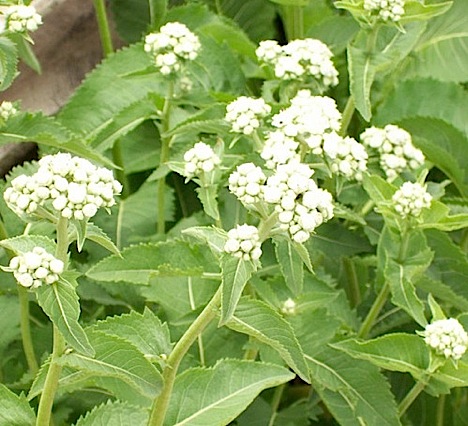
Image via Stone Silo Prairie Gardens
According to Alternative Nature Online, wild quinine is a potent herb that “is used as an antiperiodic, emmenagogue, kidney, lithontripic, poultice. It has traditionally been used in alternative medicine to treat debility, fatigue, respiratory infection, gastrointestinal infection, and venereal disease.” Whatever the ailment, quinine is famously helpful in treating it. Only the root and flowers are edible; avoid the plant.
Navajo Tea
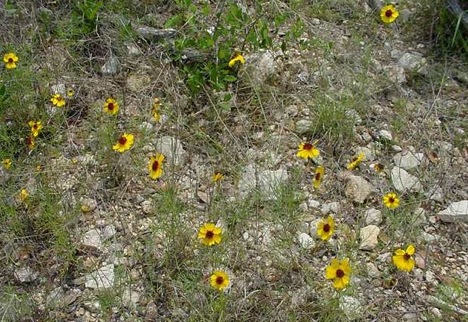
Also called greenthread, Plains Tea or Coyote Plant, this plant has been used for centuries by Native Americans to quickly relieve that most brutal and irritating of infections: the UTI (urinary tract infection). Best when made into a tea or decoction.
Red Clover
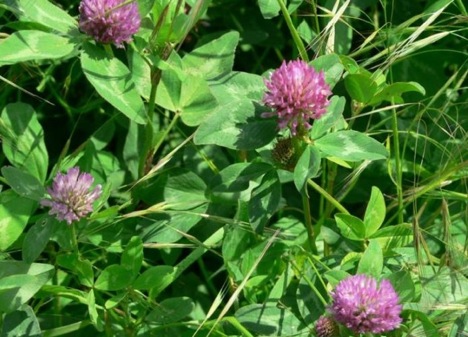
Image via Foxy Island
Native to Europe, Northern Africa and Western Asia, red clover is now ubiquitous worldwide. The plant’s reddish pink blossoms can be used for coughs and colds, but they are an excellent detoxifier and blood cleanser as well.
Sweet Marjoram
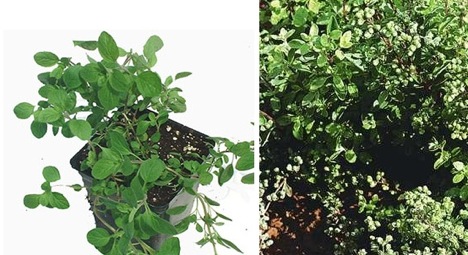
Images via Tasteful Garden and Veseys
Marjoram and oregano are often used interchangeably, but the aromatic sweet marjoram is slightly different. The Greeks called it the “Joy of the Mountain” and it was revered throughout the Mediterranean for its fragrance, flavor and medicinal value. The famous French herbs de provence and Middle Eastern za’atar both use sweet marjoram. Marjoram has many uses (it’s a famous digestive aid) but it is effective as an antifungal, antibacterial and disinfectant treatment in a pinch.
Burdock Herb
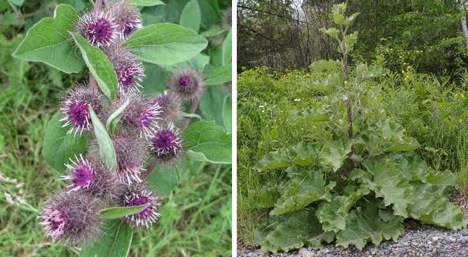
Images via Norman Allen and Ontario Wildflowers
Burdock, or cocklebur, is a prickly, thistle-like plant that grows commonly in many parts of the world. It can get fairly big and its leaves resemble the elephant ear plant. Though the burs often get caught in pets’ and livestock’s fur, don’t think of it only as an annoying plant. It is a highly effective treatment against poison ivy and poison oak (claims that it cures cancer are slightly *less* substantiated).
Feverfew
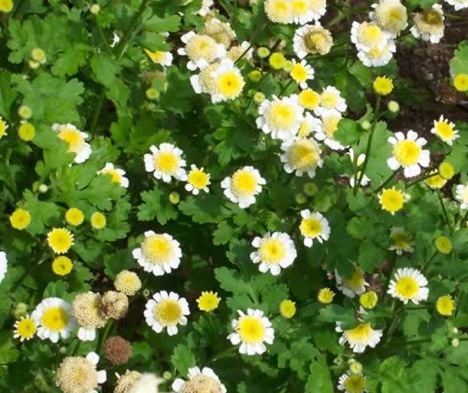
Image via Earth Heart Farm
Feverfew is a plant that has well-known and documented health properties and medicinal benefits. This anti-inflammatory can treat rheumatism, arthritis and, most famously, migraine headaches and tension headaches. It’s also good for alleviating tension and general anxiety (it is a natural serotonin inhibitor). It also helps to reduce swelling and bruising. Though feverfew is most effective when taken daily, it can be a helpful pain reliever when no Advil is on hand.
Sweet Violet
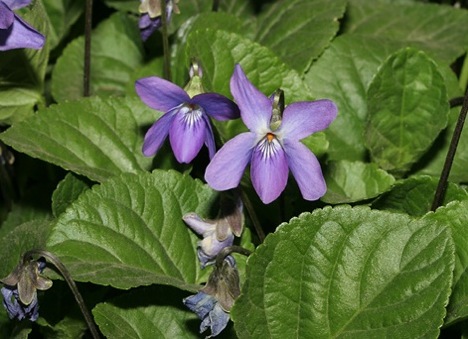
Image via Firefly Forest
Native to Europe and Asia, sweet violet is cultivated around the world and is a pleasant, delicate purple color. When brewed into a syrup the plant is effective as a treatment for colds, flu and coughs or sore throat. However, when made as a tea, it is wonderfully effective for relieving headaches and muscle and body pain.
Winter Savory
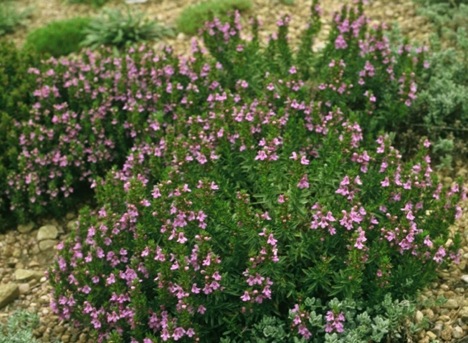
Image via CGNA
Winter savory is your savior against insect bites and stings. One of the most effective natural plant treatments for bug bites is originally from Europe and the Mediterranean but often shows up elsewhere thanks to global trade. In addition to being an antiseptic, it is delicious – used for flavoring meats and stews – and all parts are edible.
With so many amazing medicinal plants on the planet, be sure to look for future posts covering more. Feel free to submit your own request or share your botanical knowledge in the comments.
* Disclaimer: the content of this post is for informational and entertainment purposes only and should not be considered qualified medical advice. Always consult an expert before consuming or applying any foreign substance or material. Also, don’t do drugs.
Click Here for Even More Amazing Plants:
- 16 of the World’s Weirdest Endangered Trees, Plants and Flowers
- 16 of the Most Unassuming but Deadly Poisonous Plants
- 20 Beautiful but Endangered Forests from Around the World
- Bonus: 10 Deliciously Exotic but Edible Fruits and Vegetables